Grades, packing, inspection, documents and terms — answered plainly.
Our core product is penetration grade bitumen 60/70, produced to ASTM D946 and AASHTO M20. Grades 40/50 and 80/100, the Indian viscosity grades VG-30 and VG-40 to IS 73:2013, and feedstock for cutback and emulsion are supplied against firm enquiry.
No. They are close in behaviour but they are different specifications, graded by different tests — 60/70 by penetration at 25 °C, VG-30 by absolute viscosity at 60 °C. A cargo certified as 60/70 will not satisfy an Indian tender written to IS 73 unless it has been produced and certified against the VG requirement. We ask which standard applies before we issue an offer.
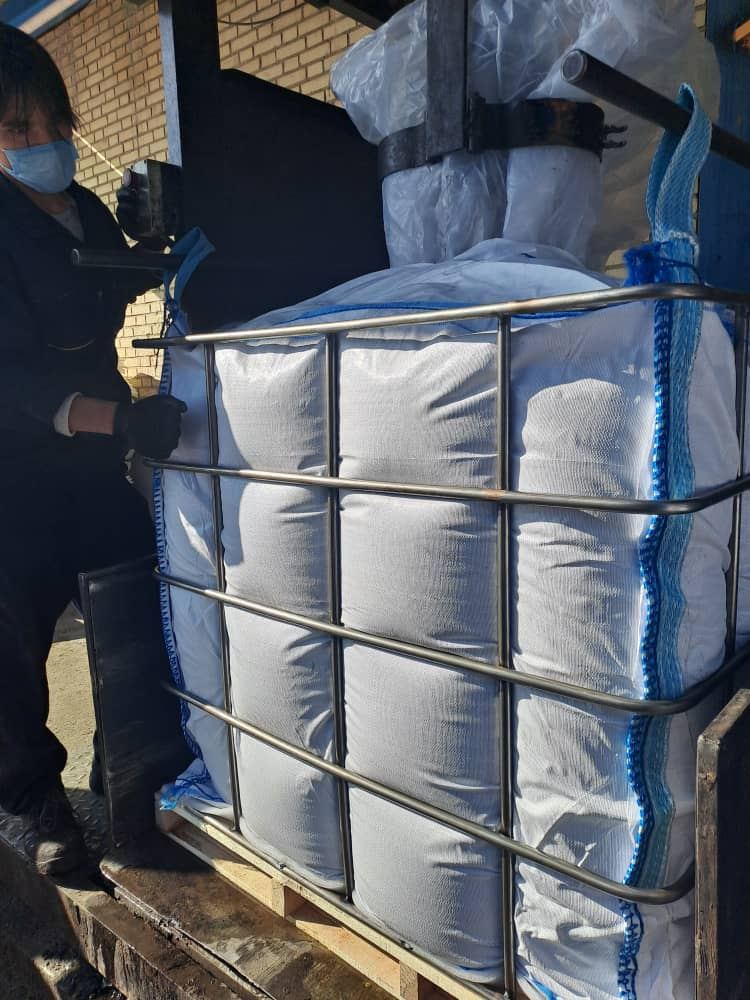
New 180 kg steel drums, 300 kg bitubags and 1,000 kg jumbo bags. A 20′ FCL takes about 110 drums for 19.8–20.0 MT net, about 80 bitubags for 24.0 MT, or 20 jumbo bags for 20.0 MT. Loading figures are typical and remain subject to the carrier's payload limit and the tare weight of the packing supplied; final quantities are confirmed on the packing list and the SGS Certificate of Weight.
One 20′ FCL — roughly 20 MT. Trial orders are accepted, and we would rather a buyer start with one container than commit to a programme before they have seen the cargo and the documents.
5,000 MT per month of penetration grade bitumen.
About three weeks from confirmation of the order to shipment, covering production, packing, inspection and stuffing. Sailing time is additional and depends on the destination port.
The Port of Sohar, on Oman's Batinah coast. FOB Sohar is our standard delivery term; CFR and CIF to a nominated port are quoted on request.
Cargo lifted inside the Arabian Gulf has to transit the Strait, and both the vessel and the cargo carry a war-risk premium for doing so. Sohar sits in the Gulf of Oman, outside that transit. The saving is real but it is rarely shown as a separate line — it is inside the freight and the insurance.
We source penetration grade bitumen directly from established Middle East refineries. The producing refinery and the country of origin are fixed at the time of contract, declared on the shipping documents, and evidenced by a Certificate of Origin attested by the competent chamber of commerce. We do not offer cargo whose origin cannot be documented.
No. We hold no storage tanks and carry out no blending. Cargo is produced at the refinery, packed, inspected and shipped — which is why the Certificate of Analysis and the origin declaration refer to the producing refinery rather than to an intermediate terminal.
SGS, at the loading point, on every shipment without exception. Samples are drawn by the inspector rather than by the seller and tested in an accredited laboratory against the contract specification, and net weight, unit count and packing integrity are certified separately. A buyer who prefers a different inspector, or wants their own alongside SGS, is accommodated at nomination.
Commercial invoice, packing list, bill of lading, Certificate of Origin, SGS Certificate of Quality, SGS Certificate of Weight, Certificate of Analysis from the producing refinery, MSDS, insurance certificate on CIF terms, and a beneficiary's certificate where the credit calls for one. Where the destination operates a pre-export conformity scheme, the Certificate of Conformity is arranged at the load port and travels with the set.
Bank transfer against the milestones agreed in the contract. A letter of credit is considered case by case rather than offered as standard; where one is used, we review the draft credit and confirm every document, deadline and clause we can meet before the buyer instructs their bank.
Send us the grade and standard, the quantity, the packing, the destination port and the delivery term you need. We come back with a written offer carrying the full specification, the packing, the delivery window and a stated validity. Offers are short-dated because the underlying market and the freight are repriced continuously — that is explained in full on our pricing guide.