Why no supplier has a price list, what the number is actually made of, and how to compare three offers without comparing nothing.
Bitumen is the heavy residue left at the bottom of the crude distillation column. A refinery is never obliged to sell it as bitumen — it can blend that residue into high-sulphur fuel oil instead, or feed it to a coker. Which it does depends on which outlet pays more that month.
That is the first thing to understand about the number you are quoted. It is not a manufacturing cost plus a margin. It is the price at which a refiner would rather sell the residue to you than turn it into fuel oil. When fuel oil rallies, bitumen has to follow or the barrels stop coming.
Asian cargo trades in relation to published assessments — most commonly the Argus fob Singapore bitumen index, with Platts assessing the same region. Neither is a price anyone is obliged to trade at. They are independent readings of where cargo has actually changed hands, and the market uses them as the common reference point in a negotiation.
A premium or discount to that benchmark, reflecting the producing refinery, the consistency of its output, how well documented the origin is, and how far the load port is from the buyer. Two cargoes of identical specification do not carry identical differentials.
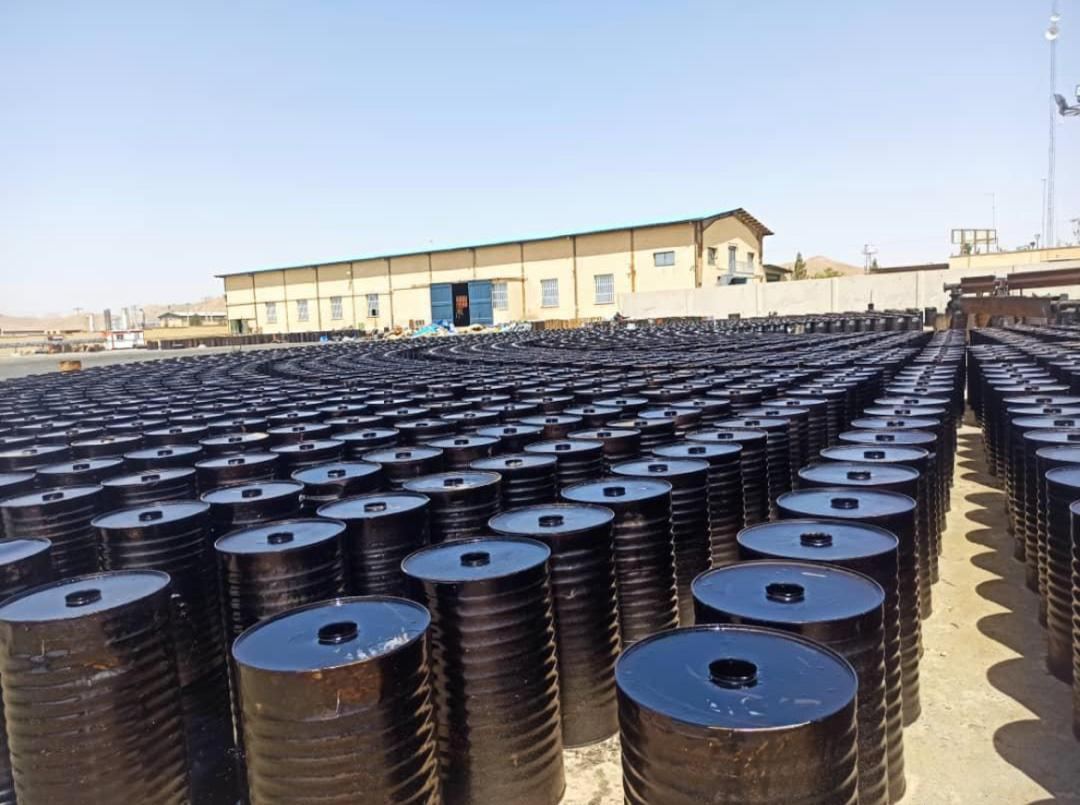
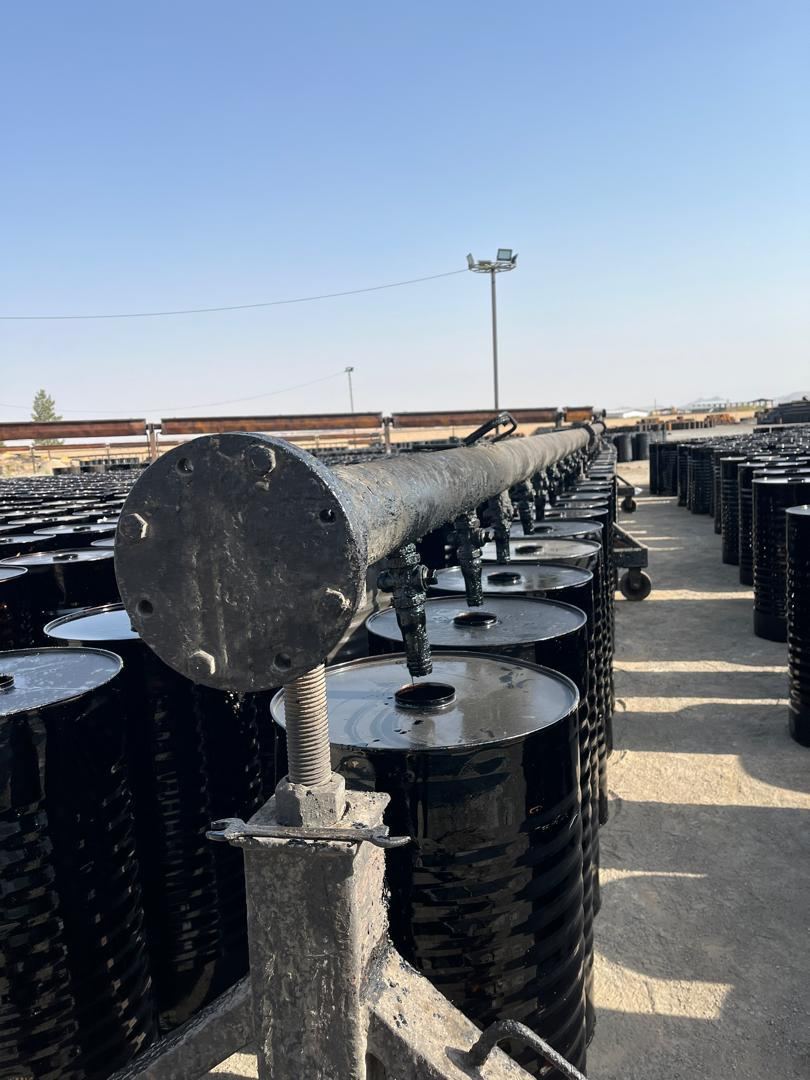
Bulk is the cheapest form of the same tonne. A new steel drum adds the drum, the filling, the labour and the container space it occupies. Jumbo bags sit between the two. A drummed price and a bulk price are not comparable numbers and should never be put side by side.
FOB is the cargo on board at the load port. CFR adds ocean freight. CIF adds marine insurance. Freight is volatile in its own right, so a CFR price can move even when the bitumen underneath it has not.
Loading outside the Strait of Hormuz removes the war-risk premium that applies to cargo lifted inside the Arabian Gulf. That premium is charged on the hull and on the cargo, and it lands in the delivered cost whether or not it appears as a separate line.
A single trial container and a 5,000 MT programme are different products commercially. Volume buys a differential; it does not buy a different specification.
Buyers new to the trade are sometimes surprised that an offer is valid for days rather than weeks. The reason is that two of the four layers above are repriced continuously. The benchmark assessment is published every working day. Container freight is booked against rates that move week to week and, in a tight market, faster than that.
A supplier who holds a price open for a month is either carrying that risk in the price from the start, or intends to reopen the number when the cargo is due. Neither serves the buyer. A short, honest validity is the cheaper arrangement.
Most of the price differences a buyer agonises over turn out to be differences in what is being offered. Before comparing the numbers, line up the terms.
| Check | Why it changes the number |
|---|---|
| Grade and standard | 60/70 to ASTM D946 and VG-30 to IS 73 are different products, not different names |
| Packing and unit weight | Bulk, drum and jumbo bag prices are structurally different |
| Net or gross weight | A drummed price quoted on gross weight includes the steel |
| Delivery term and load port | FOB, CFR and CIF; and whether the load port carries war-risk premium |
| Inspection | Independent inspection at the load port, or the seller’s own certificate |
| Payment instrument | An offer priced on a confirmed letter of credit is not the same offer as one priced on advance transfer |
| Validity | A long validity is a risk premium you are paying for |
This page explains how the market prices cargo generally. It is not a price quotation and not market advice. Our own offers are issued in writing against a stated grade, packing, quantity, delivery term and validity.